
Tackling Heat Radiation in Rock Wool Pipe Insulation: Lessons from High-Temp Refinery Wraps
Published: 2025-12-21
| Updated: 2026-03-16
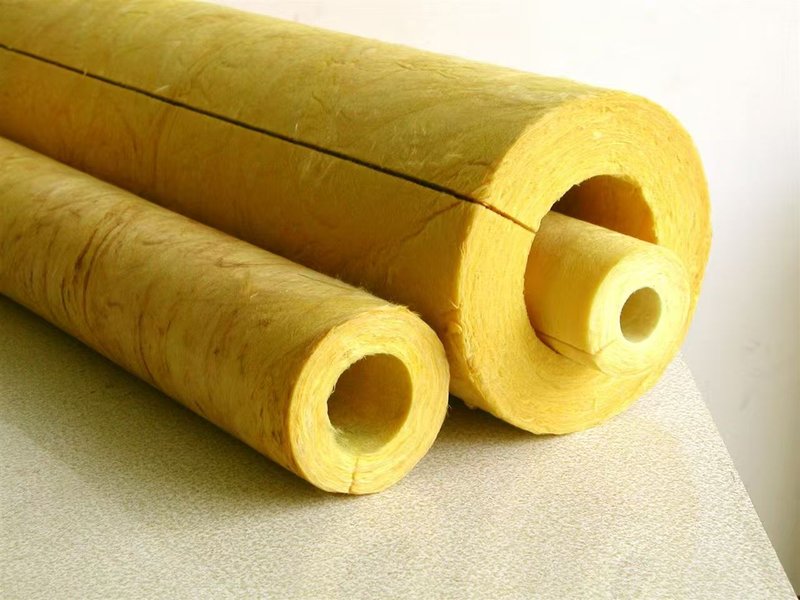
Rock Wool Insulation Pipe
Building Energy Saving
Petrochemical Industry
High Temp Insulation
Corrosion Under Insulation
Rock Wool Board
In hot refinery setups, adding thicker rock wool pipe insulation often fails to drop surface temps due to overlooked radiation buildup. From our Hebei exports to Gujarat lines, this piece explains why sealing furnace walls first curbs radiation bounce-back, letting rock wool perform without endless layers—cutting costs and rework based on client trials.
Piping rock wool insulation out of our Hebei yard to steamy refinery lines in Gujarat, we've run into the same snag time and again: teams pile on thickness expecting cooler surfaces, but temps stay stubborn. One site manager called frustrated after wrapping 60mm layers around 200°C pipes—the outside still hit high, making him doubt the wool. Turns out, it's not the material—it's ignoring heat radiation before wrapping.
Heat moves three ways: conduction through solids, convection in air, and radiation as invisible waves. In furnaces over 150°C, radiation dominates, bouncing off porous walls like a pinball. Bare walls at 200°C scatter heat out; insulate them, and that energy traps inside, heating the wall to 300°C or more. The rock wool then "bakes" from within, fooling you into thinking it's weak.
We've fixed this on jobs by pre-treating walls: Seal pores with a thin ceramic coat or low-emissivity foil to reflect radiation back into the furnace. In a Gujarat trial, this dropped wall temps 20-30%, letting 40mm rock wool (0.035 W/m·K conductivity) cut overall heat loss 35% versus untreated 60mm. No more sagging in humid air, and maintenance crews accessed fittings easier.
Costs wise, that step shaved material by 30%, payback in under a year via fuel savings. We've seen it in Middle East tanks too—seal first, insulate smart. If your pipes are radiation hotspots, what's your usual workaround? We'd swap notes on tweaks.
Sources: Client audits from Gujarat Refinery; ASTM C518 conductivity data; NACE SP0198 on corrosion under insulation.
Contact Us: Hebei Woqin Trade Co., Ltd.
- Phone/WhatsApp: +86 13933929092
- Email: an@cn-aerogel.com
- Website: www.insulatewool.com

Written by - Zhongjian An
Technical Director | PHI Designer & Industrial Insulation Expert
Certified Passive House Designer (PHI Germany), validated by Prof. Dr. Wolfgang Feist. With 15+ years of expertise in high-performance solutions for both Green Buildings and Industrial Applications (Petrochemical Pipelines, LNG Cryogenic, & High-Temp Equipment).
Related Insulation Solutions
LATEST NEWS
The Industrial Lifeline Across the Frozen Earth: Securing CIS Substations Against Condensation
2026-04-13
Arctic Pump Station Insulation Pillar: GOST Pre-formed Shells for CIS Winterization
2026-04-11
Defeating -40°C "Bottom-Ice": How Pre-Formed Rock Wool Shells Prevent Condensate Line Freezing
2026-04-09
Engineering the -40°C Lifeline: Fire-Resistant Pre-formed Shells for Arctic Firewater Networks
2026-04-03
The -50°C Frontline: Armoring Arctic Vessel Piping on the Northern Sea Route
2026-04-02