
Aerogel Sheet Solutions for Industrial Thermal Insulation Applications
Sourcing industrial insulation can feel like navigating a maze of options.
Sourcing industrial insulation can feel like navigating a maze of options. From conventional fiberglass blankets to mineral wool boards, facility managers face a difficult decision balancing cost, performance, and longevity. Each material comes with its own set of trade-offs, often leading to compromises in efficiency or installation complexity. In this crowded market, advanced solutions like aerogel insulation sheets are emerging as the clear, intelligent alternative. Forward-thinking aerogel manufacturers are producing products like InsulateWool's Aerogel block - Thermal Insulation Sheet, simplifying the choice for high-performance applications.
Table of contents:
Benefits of aerogel pipe insulation for petrochemical and power generation sectors
Cost and labor savings from lightweight aerogel sheets in large-scale insulation projects
Comparison of aerogel thermal insulation blocks with traditional fiberglass and mineral wool materials
When evaluating insulation materials, the performance gap between modern aerogel blocks and traditional options like fiberglass or mineral wool becomes immediately apparent. The core difference lies in thermal conductivity. InsulateWool's Aerogel block - Thermal Insulation Sheet, for example, boasts an exceptionally low thermal conductivity of just 0.015 W/(m·K). This figure is significantly lower than that of its conventional counterparts. In practical terms, this means a much thinner layer of aerogel insulation can achieve the same, or even better, thermal resistance as a thick, bulky layer of fiberglass. This thin profile is critical in space-constrained industrial environments. Furthermore, while fiberglass and mineral wool can be susceptible to moisture absorption, which severely degrades their insulating properties, aerogel is inherently hydrophobic. This resistance to water and chemicals ensures consistent, long-term performance without the risk of corrosion under insulation. Many operations looking for aerogel for sale recognize that its durability and resistance to high temperatures provide a service life that older materials simply cannot match. This reliability makes the initial investment a strategic decision for long-term operational stability, a key reason why leading aerogel manufacturers are seeing increased adoption.
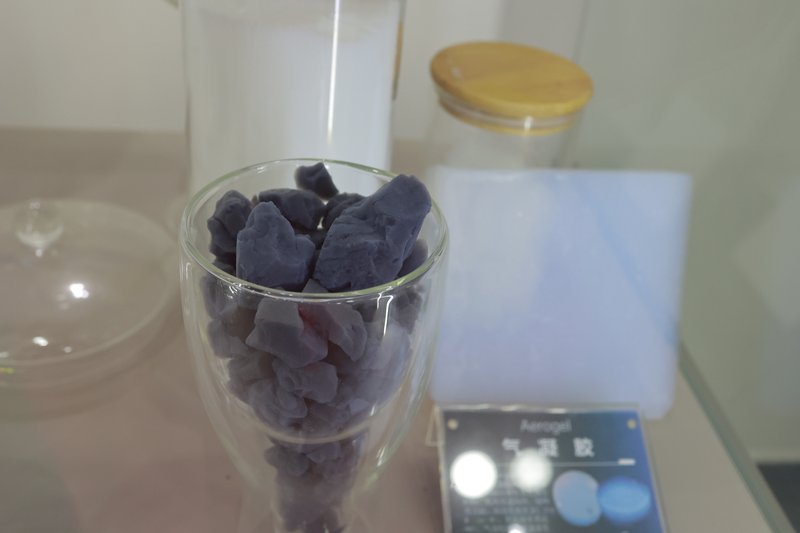
Benefits of aerogel pipe insulation for petrochemical and power generation sectors
The petrochemical and power generation sectors operate under extreme conditions, where maintaining precise temperatures is not just a matter of efficiency but also of safety. Aerogel pipe insulation provides a robust solution for these demanding environments. In a sprawling petrochemical facility, insulating pipelines with aerogel sheets ensures that process fluids maintain their required temperature over vast distances, preventing costly heat loss and preserving product integrity. The material’s ability to reduce heat transfer through conduction, convection, and radiation makes it ideal for wrapping reactors and storage tanks, which helps optimize reaction yields and minimize energy consumption. Similarly, in power generation plants, turbines and boilers operate at incredibly high temperatures. Aerogel thermal insulation sheets effectively contain this heat, protecting surrounding equipment and personnel while improving the overall thermal efficiency of the system. Its resistance to chemicals and moisture is particularly valuable in these settings, where spills or environmental exposure could compromise less durable materials.
Cost and labor savings from lightweight aerogel sheets in large-scale insulation projects
While the initial material cost of advanced insulation is a consideration, the total project cost often tells a different story. The lightweight and flexible nature of aerogel sheets delivers significant cost and labor savings, especially in large-scale industrial projects. Traditional insulation materials are often heavy and rigid, requiring larger installation crews and specialized equipment for handling and fitting. In contrast, aerogel thermal insulation sheets are remarkably easy to transport, cut, and install. This streamlined process reduces labor hours, shortens project timelines, and lowers the risk of workplace injuries associated with handling bulky materials. For example, insulating extensive pipeline networks or large storage tanks becomes a much faster and more efficient operation. This benefit is also critical in emerging sectors like new energy, where insulating lithium-ion battery systems or hydrogen storage tanks requires precision without adding excessive weight. The reduced material thickness and weight also mean less strain on structural supports, which can lead to further savings in engineering and construction. Leading aerogel manufacturers design their products with these logistical advantages in mind, making their high-performance solutions an economically sound choice when looking at the complete project lifecycle. When managers find quality aerogel for sale, they are often securing long-term savings.
Selecting the right industrial insulation is fundamentally about managing risk—the risk of energy loss, equipment failure, and operational instability. By choosing a material with proven durability and superior thermal performance, facilities can mitigate these uncertainties effectively. InsulateWool's aerogel sheets, with their ultra-low thermal conductivity of 0.015 W/(m·K), offer a reliable barrier against thermal fluctuations, ensuring process stability and safety. This consistency is why top aerogel manufacturers are trusted partners in critical industries. Exploring the different types of aerogel for sale can lead to finding a solution engineered for long-term dependability.
Contact Us: Hebei Woqin Trade Co., Ltd.
- Phone/WhatsApp: +86 13933929092
- Email: an@cn-aerogel.com
- Website: www.insulatewool.com

Written by - Ruibin An
Industry Veteran with 13+ Years of Experience. Deeply rooted in the insulation industry for over 13 years, specializing in supply chain optimization and global market trends for Rock Wool and Aerogel materials.
LATEST NEWS
The Ultimate -40°C Winterization Guide for CIS Industries: 10 Critical Scenarios, One Thermal Standard
2026-04-15
The -40°C Survival Guide for SRU Piping: Preventing Liquid Sulfur Freeze with Pre-formed Shells
2026-04-15
The Industrial Lifeline Across the Frozen Earth: Securing CIS Substations Against Condensation
2026-04-13
Arctic Pump Station Insulation Pillar: GOST Pre-formed Shells for CIS Winterization
2026-04-11
Defeating -40°C "Bottom-Ice": How Pre-Formed Rock Wool Shells Prevent Condensate Line Freezing
2026-04-09